
Latest News
- Home
- Latest News
- How to Choose Screws for Putting a Roof on a Pergola?
2026.04.10
Latest News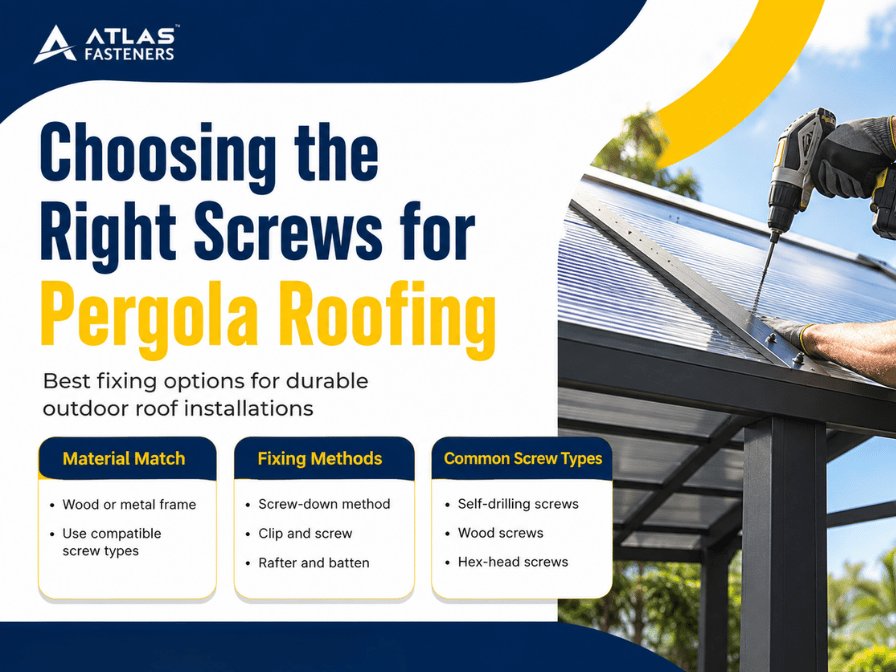
When you're adding a roof to a pergola, the right screws and fixing methods make all the difference in ensuring that the structure is stable, durable, and able to withstand the elements. The wrong choices can lead to corrosion, weak attachment points, or even structural failure, which could damage both the pergola and the roof itself. Therefore, choosing the correct screws and fixing techniques is essential to avoid costly repairs and enhance the longevity of your pergola.
How to Choose the Right Screws for Pergola Roofing
Selecting the correct screws is one of the most important steps when putting a roof on a pergola. The screws you choose will depend on several factors, including the material of the pergola, the type of roof, and the weather conditions. Here’s a breakdown of the considerations you should make when choosing screws:
1. Material Compatibility
Different materials require different types of screws. For instance, if your pergola is made of wood, you will need screws specifically designed for wood. If your pergola is made of metal, you will need corrosion-resistant screws made of stainless steel or galvanized steel to prevent rust.
2. Corrosion Resistance
Since pergolas are often exposed to the outdoors, it’s crucial to choose screws that are resistant to corrosion, especially in areas with high humidity or coastal environments. Stainless steel and coated screws are excellent choices for ensuring your structure remains stable over time.
3. Thread Type
The type of screw thread also plays a significant role in its performance. Self-tapping screws are ideal for metal pergolas, while wood screws with a sharp point are better suited for wooden structures. Additionally, screws with a coarse thread provide better grip in soft materials, while fine-thread screws are suited for harder materials.
4. Size and Length
Choosing the right screw size is essential for a secure fit. For pergola roofs, you will need screws that are long enough to penetrate through the roof material and into the support beams of the pergola. Too short a screw will not hold the roof securely, while too long a screw could damage the structure.
Fixing Methods for Adding a Roof to Your Pergola
There are several methods to securely fix a roof onto your pergola, and the method you choose will depend on the type of roofing material you use and the design of the pergola. Below are common fixing methods:
1. Screw-Down Method
This is the most common method, where screws are used to directly fasten the roofing panels to the pergola frame. It’s ideal for metal and polycarbonate roofs, as the screws secure the panels tightly, preventing them from lifting in the wind.
2. Clip and Screw Method
For materials like polycarbonate or metal roofing sheets, the clip and screw method provides a secure attachment without penetrating the roofing material itself. The clips hold the roofing sheets in place, while the screws secure the clips to the pergola frame.
3. Rafter and Batten Method
This method is suitable for wooden roofs or tiles. The roof panels are fixed onto battens (horizontal beams) attached to the rafters. The battens allow for better ventilation and support for the roofing material.
Types of Screws for Pergola Roofing
Choosing the right type of screw is key to ensuring the roof is securely fastened. Here’s a comparison of the most common screw types for pergola roofing:
| Screw Type | Material | Coating | Best For |
|---|---|---|---|
| Self-Drilling Screws | Stainless Steel | Zinc-Coated, Galvanized | Metal roofs, especially for quick installation |
| Wood Screws | Steel | Zinc-Plated | Wooden pergolas, great for wood-to-wood attachment |
| Carriage Bolts | Stainless Steel | None | For securing heavy panels in wooden pergolas |
| Hex-Head Screws | Carbon Steel | Galvanized | Heavy-duty roofing, provides strong hold |
Frequently Asked Questions (FAQ)
Q:How do I know what size screw to use for a pergola roof? +
Q:Can I use regular screws for putting a roof on a pergola? +
Q:What are self-drilling screws, and are they necessary? +
Q:What’s the best screw material for coastal areas? +
Q:Should I use screws or nails for my pergola roof? +
Q:Can I install a roof on a pergola without a professional? +
Q:Are there different screws for wood and metal pergolas? +
Q:How do I prevent rust on my screws? +
Q:How much does it cost to put a roof on a pergola? +
Q:What should I avoid when installing a pergola roof? +
Putting a roof on a pergola can enhance its functionality and provide long-lasting protection from the elements. By selecting the right screws and fixing methods, you ensure that your pergola will withstand the test of time. Don’t hesitate to get in touch with us for a free consultation or quote. Let us help you secure the perfect solution for your pergola roofing needs today!