
Latest News
- Home
- Latest News
- How to Build Wind Resistant Greenhouses with Better Roofs?
2026.04.10
Latest News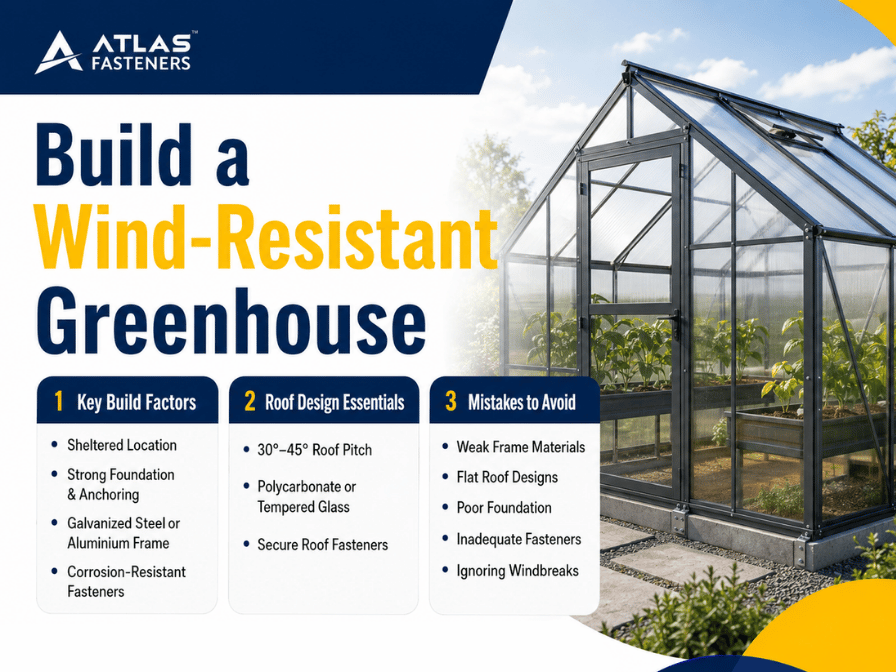
Wind-resistant greenhouses are essential for areas that experience high winds. A properly designed greenhouse can protect plants from strong gusts while ensuring the structural integrity of the building. Below, we’ll go over key aspects to consider when building a greenhouse that can stand up to wind forces, especially focusing on greenhouse roof design and the materials that make up the structure.
How to Build a Wind-Resistant Greenhouse
Designing a greenhouse that can withstand high winds requires careful planning and the right materials. Here’s how to ensure your greenhouse stays secure during stormy conditions:
1. Choosing the Right Location:
The first step in building a wind-resistant greenhouse is selecting an appropriate location. Ideally, you want to place your greenhouse in a sheltered area where natural or man-made windbreaks, like trees or fences, can reduce exposure to high winds. Avoid open fields or areas that are directly exposed to the prevailing wind direction.
2. Strong Foundation and Anchoring:
The foundation of the greenhouse should be solid and secure to prevent it from shifting or lifting during strong winds. Concrete or gravel foundations are commonly used because they are sturdy and can anchor the structure effectively. Be sure to include reinforcement around the edges, especially if you’re building in a wind-prone area.
3. Durable Frame Materials:
A strong frame is essential for wind resistance. Opt for galvanized steel or aluminum frames, which are resistant to rust and provide the rigidity needed to withstand the force of strong winds. Fasteners like screws and bolts should also be corrosion-resistant to ensure that the structure remains secure.
4. Greenhouse Roof Design:
Roof design plays a significant role in wind resistance. A pitched roof with a 30-45 degree angle is ideal for deflecting wind and reducing the risk of roof damage. Avoid flat roofs, as they tend to catch more wind, which can create pressure on the structure. Additionally, use polycarbonate or tempered glass roofing materials for their strength and impact resistance.
Greenhouse Roof Design: A Key to Wind Resistance
The roof design is critical for ensuring that the greenhouse can withstand high winds. Here’s why the right roof design matters:
1. Pitch Angle:
A roof with a slope between 30 and 45 degrees is best for deflecting wind. A steep roof angle reduces the chances of wind pressure accumulating, which can lead to structural stress or damage.
2. Roof Materials:
Polycarbonate is often the best material for a wind-resistant greenhouse roof. It is strong, durable, and capable of withstanding impact from debris. Double-walled polycarbonate offers additional insulation, which is beneficial in both cold and hot climates. If using glass, choose tempered glass for its impact resistance.
3. Roof Fasteners:
The materials on the roof should be secured tightly using durable, weather-resistant fasteners. Self-drilling screws and corrosion-resistant bolts are perfect for securing roofing panels to the frame, preventing loose panels during high winds.
Mistakes to Avoid When Building a Wind-Resistant Greenhouse
Building a wind-resistant greenhouse requires attention to detail. Here are five mistakes to avoid:
1. Weak Frame Materials:
Don’t cut corners with cheaper frame materials. Ensure your frame is made from strong materials like galvanized steel or aluminum, which provide the necessary strength to resist wind forces.
2. Flat Roof Designs:
A flat roof can trap wind, creating high-pressure areas that may lead to structural damage. Opt for a sloped roof to help wind flow over the structure.
3. Poor Foundation:
A foundation that is not properly reinforced can lead to the greenhouse shifting or lifting during a windstorm. Make sure your foundation is stable and securely anchored.
4. Inadequate Fasteners:
Using low-quality screws or bolts can lead to loose connections, which weaken the structure. Choose high-quality, corrosion-resistant fasteners that can hold up to wind pressure.
5. Neglecting Windbreaks:
Windbreaks, such as trees or fences, can help reduce the wind’s impact on the greenhouse. Failing to consider these protective barriers can lead to unnecessary wind damage.
Frequently Asked Questions (FAQ)
Q:What materials are best for a wind-resistant greenhouse? +
Q:How do I reinforce my greenhouse for wind resistance? +
Q:What roof pitch should I use for a wind-resistant greenhouse? +
Q:How can I protect my greenhouse from strong winds? +
Q:What are the best roof materials for wind resistance? +
Q:How much does it cost to build a wind-resistant greenhouse? +
Q:Can I build a wind-resistant greenhouse myself? +
Q:How long does a wind-resistant greenhouse last? +
Q:What is the most common mistake people make when building a wind-resistant greenhouse? +
Q:How do I know if my greenhouse is wind-resistant? +
Building a wind-resistant greenhouse is crucial for protecting your plants and ensuring the longevity of the structure. By choosing the right materials, reinforcing the foundation, and designing a sloped roof, you can create a greenhouse that can withstand even the strongest winds. If you're ready to start your wind-resistant greenhouse project, contact us today for a free consultation or quote. Let’s get your greenhouse built to stand the test of time!