
Latest News
- Home
- Latest News
- How to Choose the Right Stitching Screws for Metal Roof Strengthening
2026.04.10
Latest News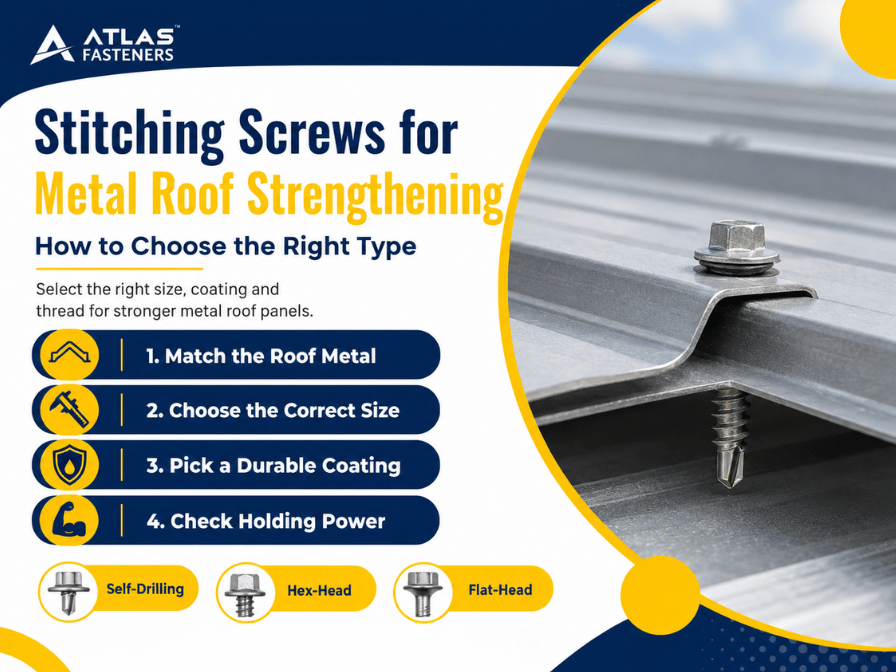
When it comes to strengthening your metal roof, selecting the right type of stitching screws is crucial. These screws are essential for securing metal panels together, ensuring the roof's integrity and longevity. But with so many options available, how can you ensure you're choosing the best stitching screws for your metal roof strengthening project? In this article, we’ll walk you through the key considerations and steps involved in making the right choice.
What Are Stitching Screws and Why Are They Important?
Stitching screws are designed specifically to fasten overlapping sheets of metal, such as metal roofing panels. They provide a secure, long-lasting bond between panels, ensuring that the structure remains intact and resistant to weather and environmental factors. Stitching screws are particularly important for reinforcing roofs in regions that experience high winds or heavy rainfall.
How to Choose the Right Stitching Screws for Metal Roof Strengthening
Choosing the right stitching screws involves a few critical steps. Here’s a breakdown of the process:
1. Determine the Metal Roof Type
The first step is to identify the type of metal roofing you have. Common materials include steel, aluminum, and copper. The type of metal affects the screw type and coating you should choose.
2. Select the Correct Screw Size
Stitching screws come in various sizes, and the right size will depend on the thickness of the metal sheets and the required holding strength. It’s important to choose a screw size that ensures a tight fit, without damaging the panels.
3. Choose the Right Coating for Durability
A good coating ensures the screws are resistant to corrosion and rust. Consider galvanized or stainless steel screws for metal roofing, as these coatings enhance the screw’s lifespan, especially in high-humidity or coastal environments.
4. Consider the Thread Type
The thread design of a stitching screw can affect its performance. Self-drilling screws are often preferred because they eliminate the need for pre-drilled holes, making installation faster and easier.
5. Check the Screw’s Holding Power
The holding power of a stitching screw is determined by its thread design and material strength. It’s essential to choose screws that are designed to withstand the weight and force of the roof structure.
Types of Stitching Screws for Metal Roof Strengthening
There are different types of stitching screws suited to various roofing requirements. Here’s a comparison of some of the most commonly used:
| Screw Type | Material | Coating | Best For |
|---|---|---|---|
| Self-Drilling Screws | Stainless Steel | Galvanized, Zinc | Quick installation with no need for pre-drilling |
| Hex-Head Screws | Carbon Steel | Zinc-Plated | High tensile strength for large panels |
| Flat-Head Screws | Stainless Steel | Epoxy-Coated | Aesthetic finish, used for exposed areas |
| Collated Screws | Aluminum | Painted | Faster installation in high-volume projects |
Frequently Asked Questions (FAQ)
Q:What are stitching screws used for? +
Q:How do self-drilling screws work? +
Q:What’s the difference between stitching screws and regular screws? +
Q:How do I know what size screw to choose? +
Q:Do stitching screws require any special tools? +
Q:Can stitching screws be used in all types of metal roofs? +
Q:What’s the best coating for stitching screws? +
Q:Can I use stitching screws for other types of metalwork? +
Q:How do I prevent rust on stitching screws? +
Q:Are stitching screws expensive? +
Choosing the right stitching screws is crucial for ensuring the strength and longevity of your metal roof. By considering factors such as the metal type, screw size, and coating, you can select screws that meet your roofing needs. If you’re ready to get started with your project, feel free to reach out for a free quote or consultation. Don’t hesitate to contact us today for more details or to place an order!